Deck staining in Denver that actually lasts past one summer.
Cleaning, brightening, sanding and staining for decks, fences, pergolas and railings, using penetrating products chosen for Colorado sun and snowmelt.
Free Written Estimates
No pressure, no surprises
Licensed and Insured
Fully covered on every job
Owner on Every Job
Not a rotating subcontractor
Razor Sharp Lines
Prep done right the first time
Spotless Cleanup
We leave it better than we found it
Most decks fail because they were sealed dirty.
Wood that still has mill glaze, gray oxidation or old failing sealer cannot absorb new stain. The product sits on top, looks great for a month, then flakes off in sheets the first time the snow melts and refreezes.
We clean, brighten and sand to open the grain, then apply a penetrating stain that soaks into the wood instead of forming a film on top. That is the difference between recoating every year and recoating every three to four.
- Decks, railings, stairs, pergolas, gazebos and privacy fences
- Cedar, redwood, pine, pressure treated lumber and some composites
- Popped nails set, loose boards refastened, splinters sanded
- Transparent, semi transparent and solid color options

The four stages of a deck that holds up.
Skipping any one of these is why a deck looks tired again by the following spring.
Clean
A wood safe cleaner lifts dirt, pollen, mildew, tannin bleed and any remaining old coating. We rinse at controlled pressure so we do not fuzz the grain.
Brighten
A brightener neutralizes the cleaner and restores the natural pH and color of the wood. Skipping this step is why some decks come out looking blotchy.
Sand and prep
Rough spots, splinters and raised grain are sanded. Popped nails and screws are set, loose boards refastened, and the surface is left ready to absorb.
Stain
Penetrating stain applied by pad, brush or sprayer and back brushed into the wood, with the correct number of coats for the product and the wood condition.
Moisture check
We test that the wood is genuinely dry before staining. Sealing moisture into a deck is the fastest way to cause peeling and mildew.
Maintenance plan
We tell you honestly when this deck will need a refresh coat, and what a light maintenance coat will cost when that time comes.
Transparent, semi transparent or solid?
There is no universally right answer. It depends on the age of the wood, how much grain you want to see and how often you want to redo it.
Transparent
Shows the most grain and the most natural color. Beautiful on new cedar and redwood. The shortest lifespan, generally one to two seasons on a sun exposed deck.
Semi transparent
The sweet spot for most Colorado decks. Enough pigment for real UV protection while the grain still reads. Typically two to four years on horizontal surfaces.
Solid color
Maximum protection and the best choice for older or previously painted wood and for fences. Hides grain, lasts the longest, and can be tinted to any color.

Fence staining is a different job from deck staining.
A fence is mostly vertical, which means it sheds water and lasts longer, but it is also long. Getting an even result across hundreds of pickets means keeping a wet edge and working section by section rather than racing down the line.
We stain both sides where access allows, cut in cleanly at posts and rails, and mask anything nearby that you do not want overspray on, including siding, concrete and your neighbor plants.
- Privacy fences, split rail, picket and ranch rail
- Both sides stained where access allows
- Gates rehung and adjusted if they have sagged
Frequently asked questions
Still not sure? Call (720) 629-9129 and talk to a real person who has actually held a brush.
Deck staining is generally priced by the square footage of the deck surface plus the linear feet of railing and the number of stairs, adjusted for how much cleaning and sanding the wood needs. A deck that has never been coated and a deck with failing solid stain are different amounts of work. The estimate is free and itemized.
Horizontal surfaces take the most UV and foot traffic, so a deck floor usually needs a refresh every two to four years with a semi transparent product. Railings and vertical surfaces last longer. Full sun exposure at altitude shortens the interval.
New pressure treated lumber often needs to dry out and weather for a few weeks to a few months before it will accept stain. New cedar and redwood usually need a cleaning to remove mill glaze first. We will check the moisture content and tell you if it is ready.
Yes. Peeling means a film forming product has failed. The old coating has to come off through stripping, sanding or both before new stain can penetrate. That is more labor than a straightforward recoat, and we will price it honestly.
We set popped fasteners, refasten loose boards and sand splinters as part of the prep. Rotted or cracked boards can be replaced, and we will call those out and price them at the estimate.
Usually 24 to 48 hours for foot traffic depending on the product and the weather, and a bit longer before you put furniture and planters back. We give you the specific times for the stain we use on your project.
Yes. Stain slows UV graying, reduces water absorption and helps prevent the cracking and cupping that come from repeated wetting and drying. A solid color stain gives the most protection on an older fence.
Other services homeowners pair with this one.

Interior Painting
Walls, ceilings, trim and doors finished with crisp lines and a flawless, even sheen.
Explore this service
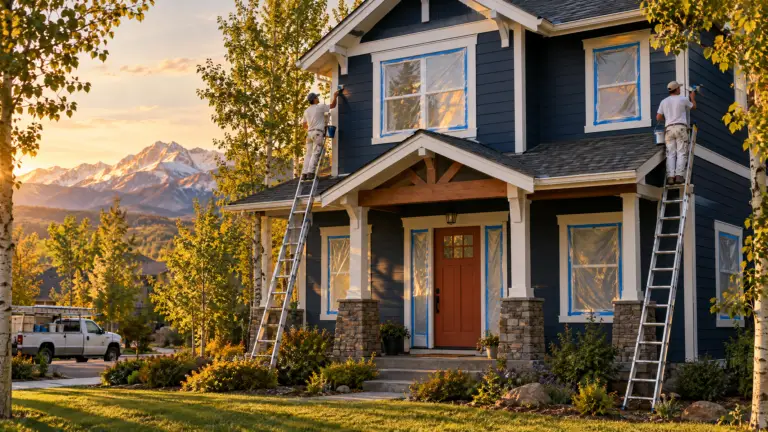
Exterior Painting
Coatings built for Colorado sun, hail and freeze cycles, with prep that makes them last.
Explore this service
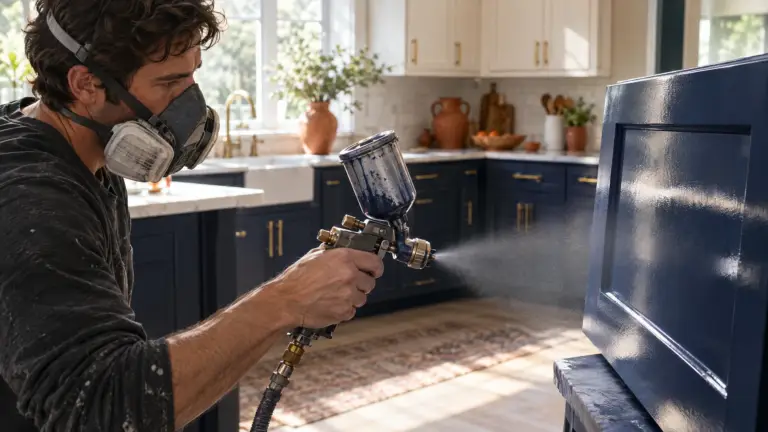
Cabinet Painting
A factory smooth sprayed finish that turns a dated kitchen into the best room in the house.
Explore this service

Drywall and Repair
Holes, cracks, water damage and texture matching, repaired so well you cannot find the patch.
Explore this service
Let us give you a number you can trust.
Tell us about your project and we will walk the space, talk through colors and finishes, and send a clear written estimate. No pressure and no sales games.