Drywall repair in Denver you will never notice.
Holes, cracks, nail pops, water damage, corner bead and texture matching, repaired and finished by the same crew that paints the wall. One contractor, one standard, one invoice.
Free Written Estimates
No pressure, no surprises
Licensed and Insured
Fully covered on every job
Owner on Every Job
Not a rotating subcontractor
Razor Sharp Lines
Prep done right the first time
Spotless Cleanup
We leave it better than we found it
A patch is only good if you cannot see where it is.
Anyone can slap compound into a hole. The hard part is feathering the edges wide enough, matching the surrounding texture and priming the repair so it does not flash a different sheen the second the light hits it.
We do drywall because we paint. When the same crew handles the repair and the finish, there is nobody to blame and nowhere for a bad patch to hide. Every repair gets sanded, dusted, spot primed and blended before the topcoat.
- Small holes, large holes and full sheet replacement
- Settlement cracks, ceiling cracks and stress cracks at corners
- Nail pops, screw pops and loose seams re-fastened properly
- Water damaged drywall cut out, replaced and refinished

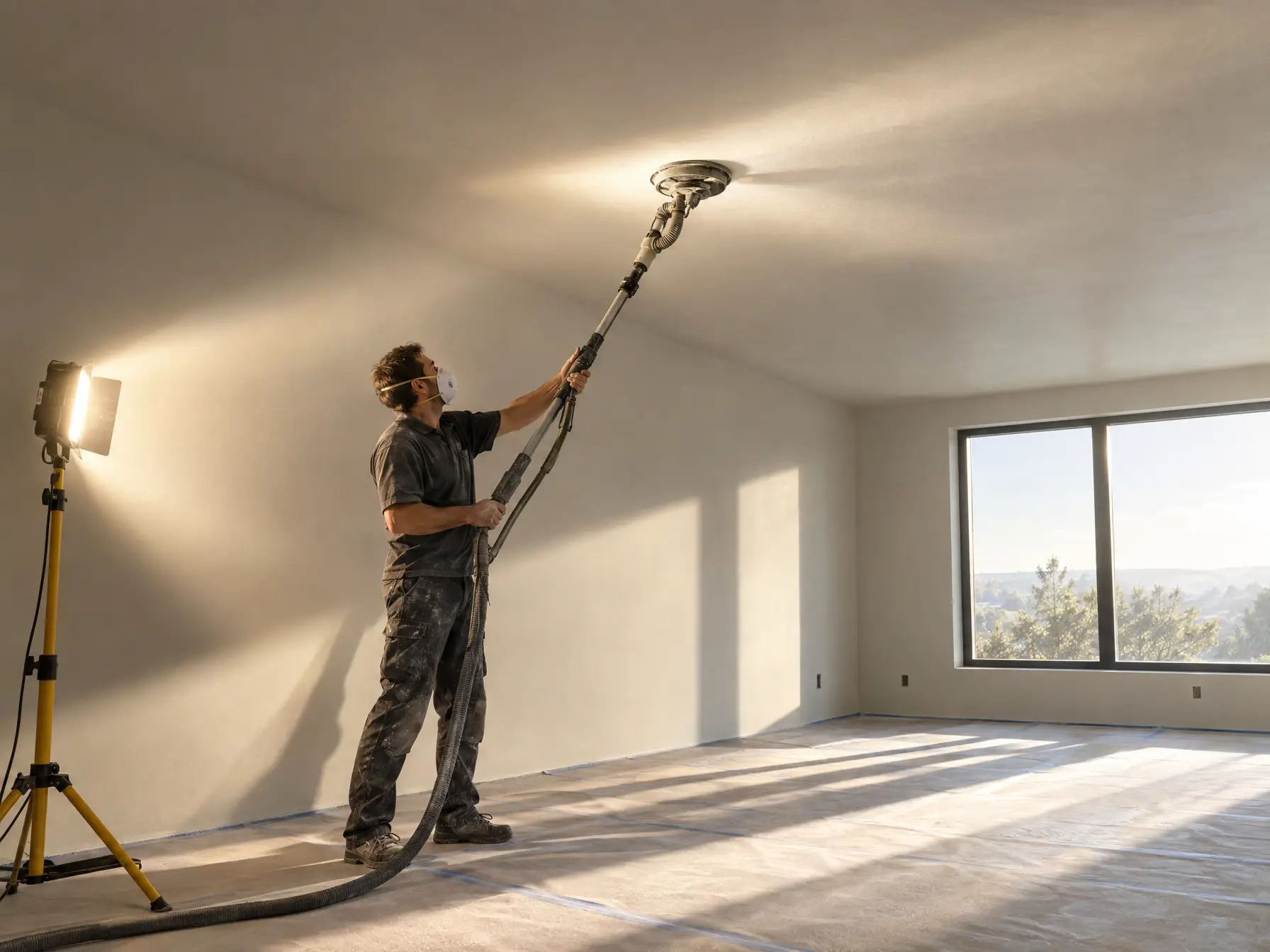
The drywall problems we solve every week.
If your wall or ceiling has it, we have fixed it. Most repairs are completed and painted in a single visit.
Holes of every size
Doorknob dents, furniture damage, TV mount holes and holes big enough to see the studs. Small repairs get a mesh or hot patch, larger ones get a backed drywall insert.
Cracks that keep returning
Colorado soil moves, and moving foundations crack drywall at corners, above doors and along ceiling seams. We tape and reinforce the joint instead of just filling the line again.
Nail pops and loose seams
Popped fasteners are re-secured with screws on either side, the old head is set below the surface, then the area is floated and blended into the wall.
Water damage
Stained, soft or bubbled drywall from a roof leak, ice dam or plumbing failure is cut out back to sound material, replaced, taped, floated and stain blocked.
Corner bead repair
Dented and split metal or vinyl corner bead is cut out and replaced so you get a straight crisp corner again rather than a lumpy shadow line.
Texture matching
Knockdown, orange peel, skip trowel, hand texture and smooth level five. We test the match on a scrap board before touching your wall.
Three things separate an invisible patch from an obvious one.
You can usually spot a cheap drywall repair from across the room. Here is what we do differently.
Wide feathering
A patch that is floated out eight inches will always show. We feather compound out wide and in multiple thin coats so there is no ridge and no shadow under raking light.
A real texture match
We identify your texture type, mix compound to the right consistency and practice the pattern on a board first. Getting orange peel and knockdown right is about nozzle, pressure and timing.
Primer before paint
Fresh compound absorbs paint differently than the wall around it. Without a spot primer the repair flashes a dull patch through the topcoat. We always prime the repair.
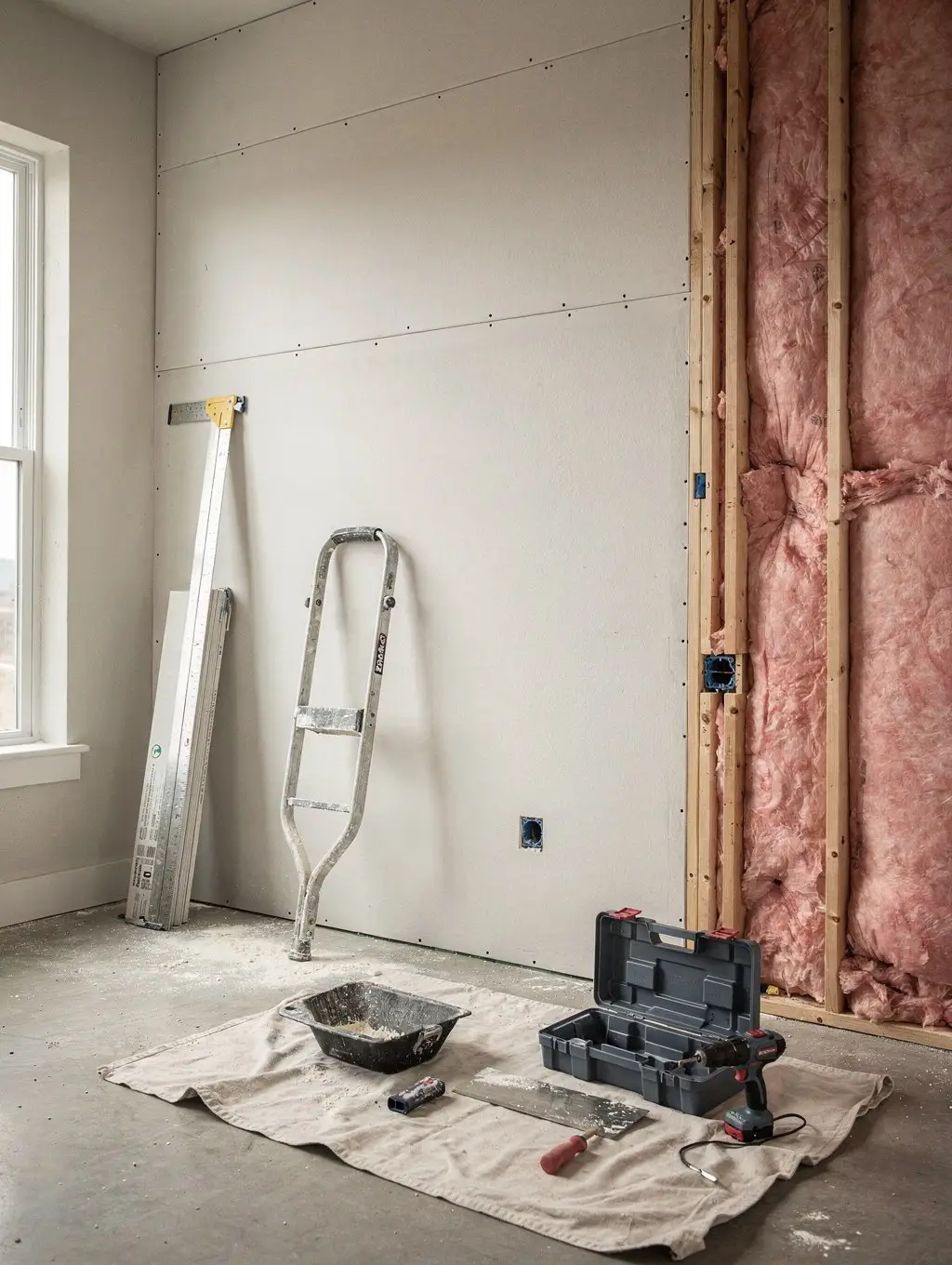
Not just repair. New hang, tape and finish as well.
Finishing a basement, opening a wall, converting a garage or adding a room? We hang, tape and finish new drywall to the level your project actually needs, then prime and paint it as part of the same scope.
For great rooms and open plans with lots of side light, we recommend a level five finish. It costs more, and it is the only way to guarantee that a big flat wall does not telegraph every seam once the sun comes through the window.
- Basement finishes, additions and garage conversions
- Ceiling repair and popcorn ceiling removal
- Level four standard and level five smooth finishes
- Dust controlled sanding with vacuum assisted tools
Frequently asked questions
Still not sure? Call (720) 629-9129 and talk to a real person who has actually held a brush.
Small repairs such as nail pops or a few dings are often bundled into a painting scope at little or no additional cost. Standalone repairs are priced by the number and size of the areas and whether texture matching is needed. Larger work like water damage replacement or a full ceiling is quoted after we see it. The estimate is always free.
Yes. Knockdown, orange peel, skip trowel and hand applied textures can all be matched. We test the pattern on a scrap board and hold it against your wall before we apply anything, because the match is about spray pressure, compound consistency and timing rather than a product you buy.
Joint compound needs to dry between coats, so most repairs span two visits. A typical patch gets cut in, taped and first coated on day one, then floated, sanded, textured and painted on day two. Larger replacements can take three days.
Less than you expect. We use vacuum assisted sanding and set up containment with plastic and floor protection. There is always some dust with drywall work, and we clean the area thoroughly before we leave.
Yes. Ceiling cracks are usually structural movement rather than a paint problem, so filling them without reinforcement means they come right back. We open the crack, tape it with mesh or paper, float it wide and re-texture before painting.
Yes. We test the area, contain the room, scrape the texture, repair the surface underneath, then either leave it smooth or apply a modern texture. Homes built before the early 1980s should be tested for asbestos first, and we will tell you when that is the right call.
We paint it. That is the whole point of doing drywall in house. You get a repair that is primed, blended and finished by the same crew, so there is no seam between trades and no finger pointing if something does not blend.
Level five means a thin skim coat of compound is applied over the entire surface, not just the seams and fasteners. It creates a uniform substrate so that flat sheen paints and strong side lighting do not reveal joints. It is the right choice for great rooms, tall stairwells and any wall with a big window near it.
Yes, once the source of the water has been fixed and the area is dry. We cut out the compromised drywall back to sound material, replace it, tape and float the seams, apply a stain blocking primer and finish to match. If we suspect mold behind the wall we will say so rather than covering it up.
Often. Basement finishes, egress window openings and mechanical room walls are regular work for us, and we handle hang, tape, finish, prime and paint as one scope.
Other services homeowners pair with this one.
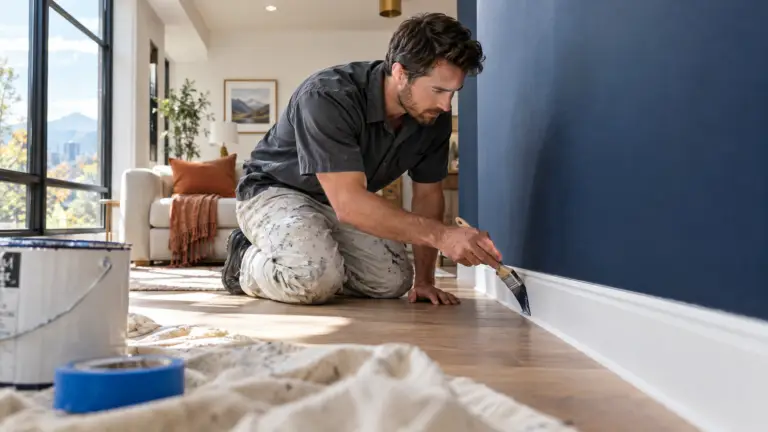
Interior Painting
Walls, ceilings, trim and doors finished with crisp lines and a flawless, even sheen.
Explore this service
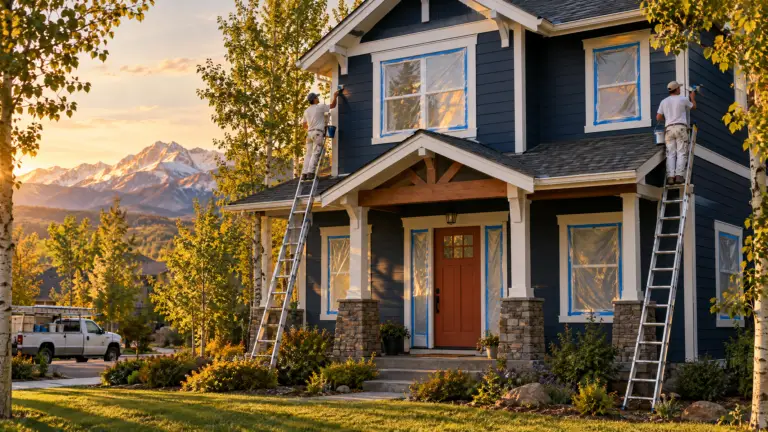
Exterior Painting
Coatings built for Colorado sun, hail and freeze cycles, with prep that makes them last.
Explore this service
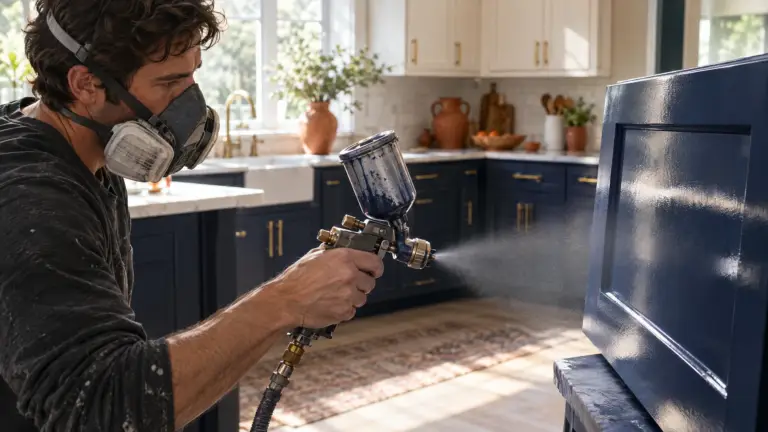
Cabinet Painting
A factory smooth sprayed finish that turns a dated kitchen into the best room in the house.
Explore this service

Deck and Fence Staining
Cleaning, sanding and staining that protects wood from UV, snowmelt and everyday wear.
Explore this service
Let us give you a number you can trust.
Tell us about your project and we will walk the space, talk through colors and finishes, and send a clear written estimate. No pressure and no sales games.